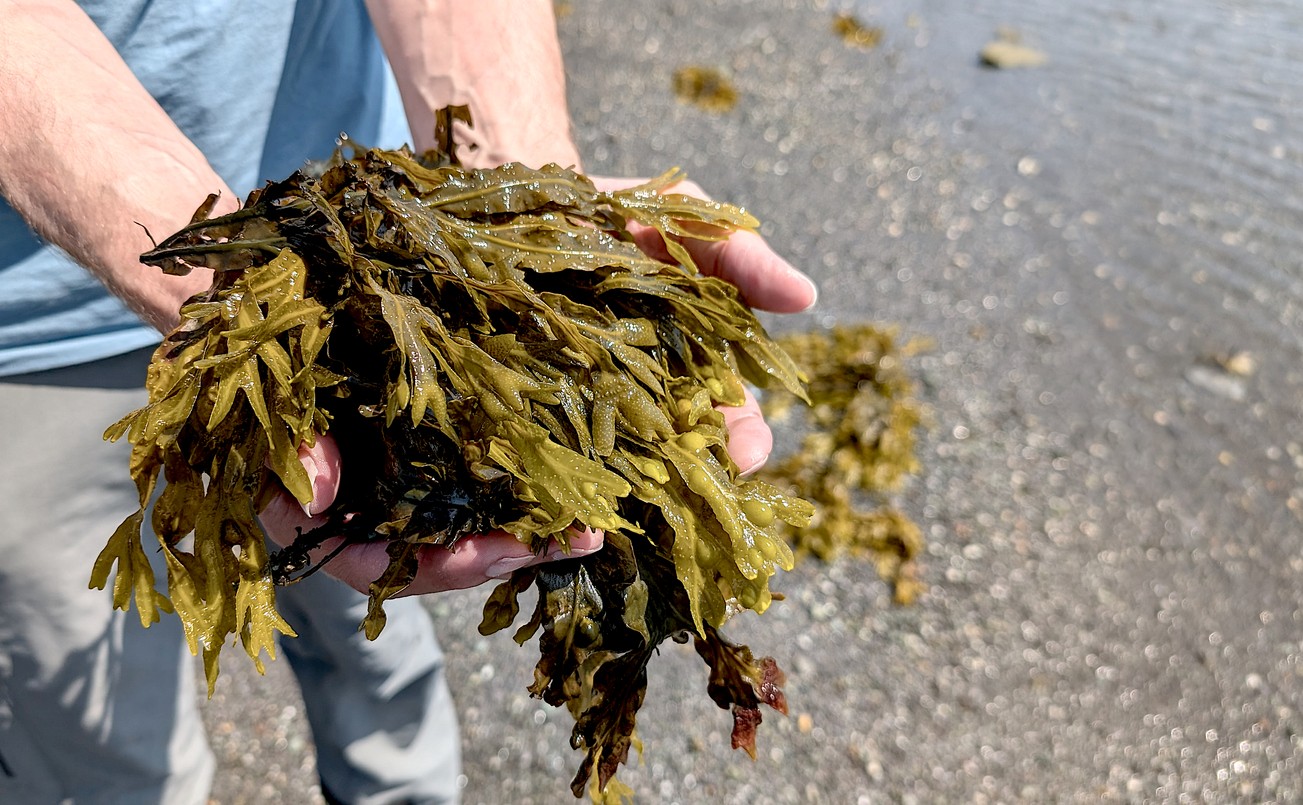
For decades, algae have attracted growing interest in the medical field. Traditionally used in certain coastal cultures, they are now at the center of many innovations in biomedicine, especially for accelerating wound healing. Rich in bioactive compounds, algae possess particularly interesting hemostatic and wound healing properties.
The 4 stages of wound healing

A wound is a rupture or a lesion of the surface of the skin. Wounds are among the most common injuries in daily life, whether they are caused by a fall, a cut, or a burn. As soon as the incident occurs, bleeding may happen and the natural process of hemostasis and wound healing is triggered to recreate the natural barrier of the skin and to protect us from infections.
The evolution of wound healing is a complex and organized biological process that takes place in 4 major successive phases.
- Phase 1 – HEMOSTASIS: the body stops the bleeding by activating red blood cells and platelets to form a blood clot. This phase lasts from a few minutes to a few hours.
- Phase 2 – INFLAMMATION: the immune system activates white blood cells to protect the wound against infection. A slight swelling, redness, and a sensation of heat at the wound site characterize this phase. It allows the elimination of damaged or dead tissues as well as bacteria that could hinder healing, it activates repair cells and prepares the wound bed for the formation of new tissues. This phase can last 2 to 4 days.
- Phase 3 – PROLIFERATION: the body produces new healthy tissues to cover the wound. During this process, tissue repair cells participate in the production of collagen, which is essential for the skin and the proper functioning of connective tissues. It is in this phase that progress becomes visible: the edges of the wound come closer together, reducing its size until its complete closure. This phase can last 10 to 15 days.
- Phase 4 – REMODELING (also called wound maturation): the new tissues gradually strengthen. At the end of this stage, the healed area regains better resistance, even if it may remain slightly different from the original skin. This phase can last 6 to 18 months.
Causes of delayed wound healing
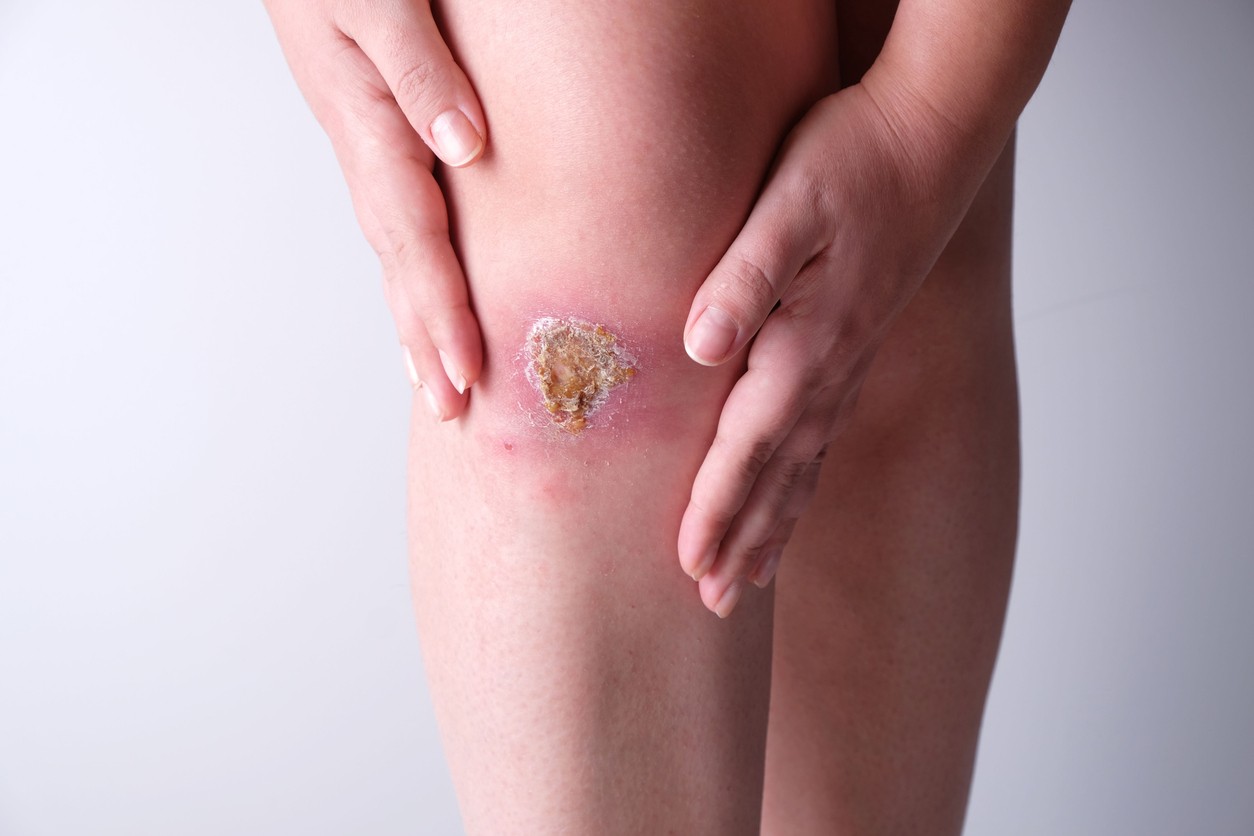
Several factors can slow down the healing of a wound:
- Wound infection: disrupts the tissue repair process.
- Chronic diseases: such as diabetes (high blood sugar slows down the body’s ability to repair damaged tissues).
- Poor blood circulation: limits the supply of oxygen and nutrients necessary for tissue repair.
- Malnutrition, in particular a deficiency in:
o Proteins: playing an important role in the production and repair of cells and tissues. Main food sources: meats, fish, eggs, tofu, legumes, dairy products.
o Carbohydrates: essential due to their energy supply, necessary to fight inflammation. They are present in cereal products, nuts, seeds, legumes.
o Lipids: contribute to the formation of skin cells and improve its quality; particularly lipids rich in vitamin E (vegetable oils, dried fruits and oilseeds), and omega-3 (vegetable oils, fish).
o Vitamin A: helps control the inflammatory response. Main food sources: green cabbage, spinach, carrots, sweet potatoes.
o Vitamin C: contributes to collagen formation. Food sources: kiwis, mangoes, strawberries, watercress, kale, coriander. - Smoking: reduces tissue oxygenation and slows down cellular regeneration.
- Certain medications, such as corticosteroids or immunosuppressive treatments, can reduce the quality and effectiveness of healing.
- Advanced age: aging slows down cellular regeneration.
These factors can act individually or simultaneously and compromise wound healing.
Evolution of good wound care practices
Among the causes of delayed healing, inappropriate management can also be mentioned: a poorly cleaned wound, poorly protected, poorly monitored, or unsuitable dressing can promote infection, prolong inflammation, and slow down tissue repair.
The science of healing has undergone a fascinating evolution over the ages. In the time of Pharaonic Egypt, the application of bandages and the recognition of the classic signs of infection and inflammation were perfectly mastered. Pressure ulcers (a lesion of the skin and underlying tissues that develops when prolonged pressure prevents proper blood circulation in an area of the body) have been found on Egyptian mummies dating back 5,000 years. Caregivers of ancient Egypt notably used honey to treat wounds because of its antibacterial properties.
A surgical papyrus dating from 1650 BC described at least 48 types of injuries. Another dating from 1550 BC mentioned the use of mixtures containing honey (antibacterial effect), linen (absorption of exudates), and fat (protective effect) to treat wounds.
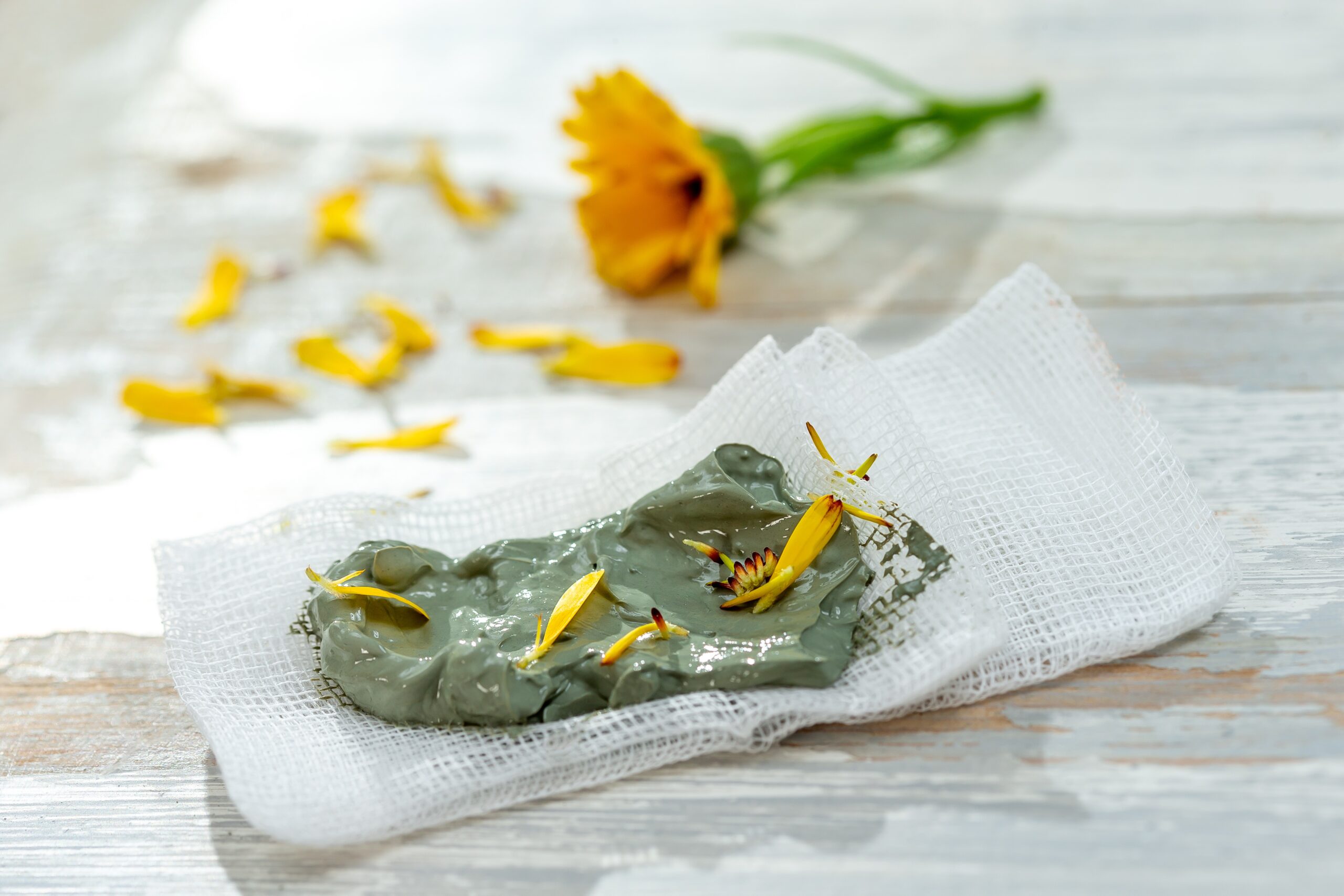
Let us make a leap to the 20th century: wound care practices underwent a new revolution — moving from an approach centered on drying out the wound to an approach that favors maintaining a moist environment.
Indeed, until the middle of the 20th century, care mainly aimed to dry out the wound, quickly form a scab, and sometimes use aggressive antiseptics. Products such as alcohol or hydrogen peroxide were commonly applied. While they helped to clean, they could also damage cells in the process of repair. The scab, although it protects the wound, slows down the migration of the cells necessary for skin closure.
In 1962, Dr. G. Winter demonstrated, in a major publication, that healing was faster when the wound was kept moist, that is to say in an environment favorable to the migration of key cells involved in tissue repair. This work made it possible to initiate the concept of moist wound healing and the development of modern dressings, known as “active” dressings.
Benefits of algae in wound healing
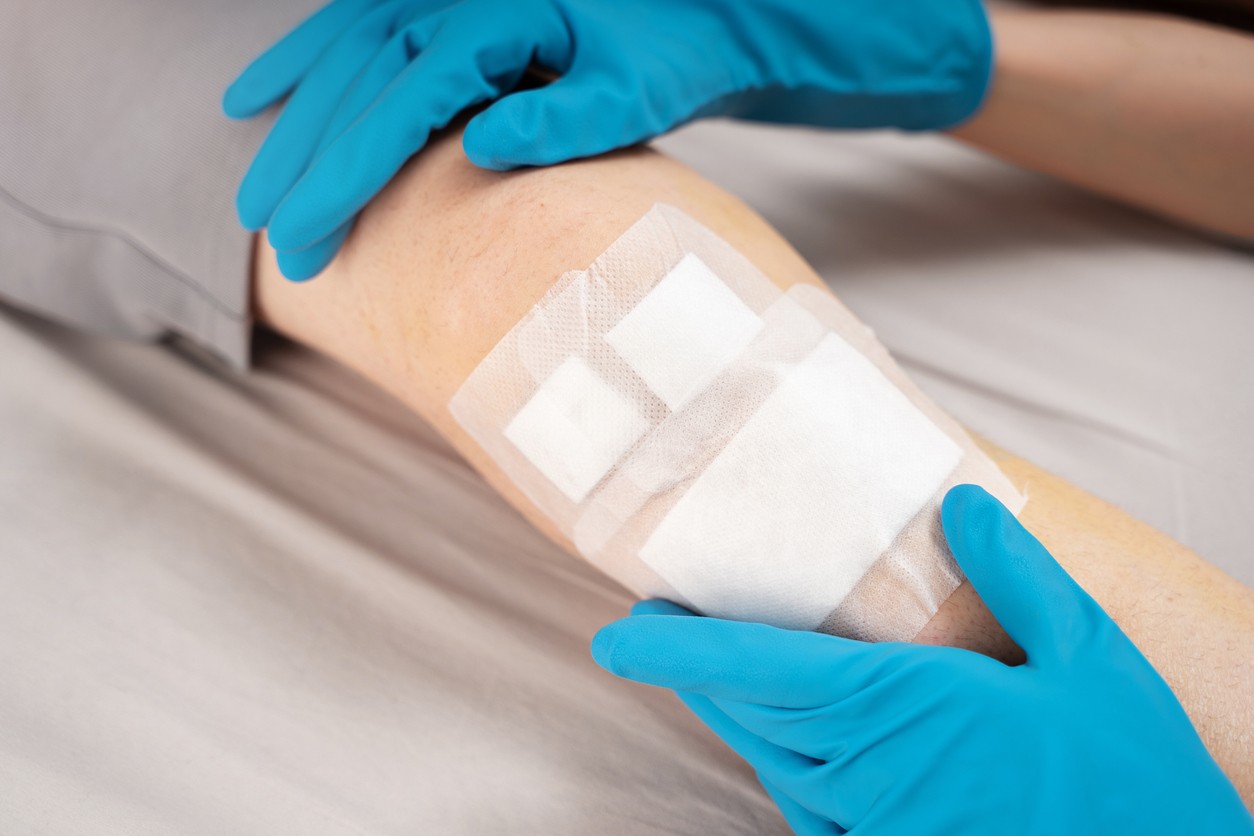
Maintaining a moist environment is precisely what alginate-based dressings (a biopolymer derived from algae) allow. Thanks to their high absorption capacity, they regulate excess exudate while preserving the hydration necessary for the migration of healing cells.
Alginate dressings form a protective gel upon contact with the wound, limiting trauma during dressing changes and thus promoting a physiological healing process. There are many alginates: calcium alginates, sodium alginates, alginates including other substances such as carboxymethylcellulose (CMC), silver ions or zinc, etc.
When a calcium alginate (Stop Hémo® range) comes into contact with body fluids (blood or exudate), it does not only absorb fluids and maintains a moist environment, but it also releases calcium ions directly into the wound. These calcium ions activate key cells of the healing process (macrophages, fibroblasts, keratinocytes, etc.) and support the natural wound healing process.
This technology derived from marine resources illustrates the integration of natural biomaterials into modern wound care strategies.
Algae at the heart of modern wound healing solutions
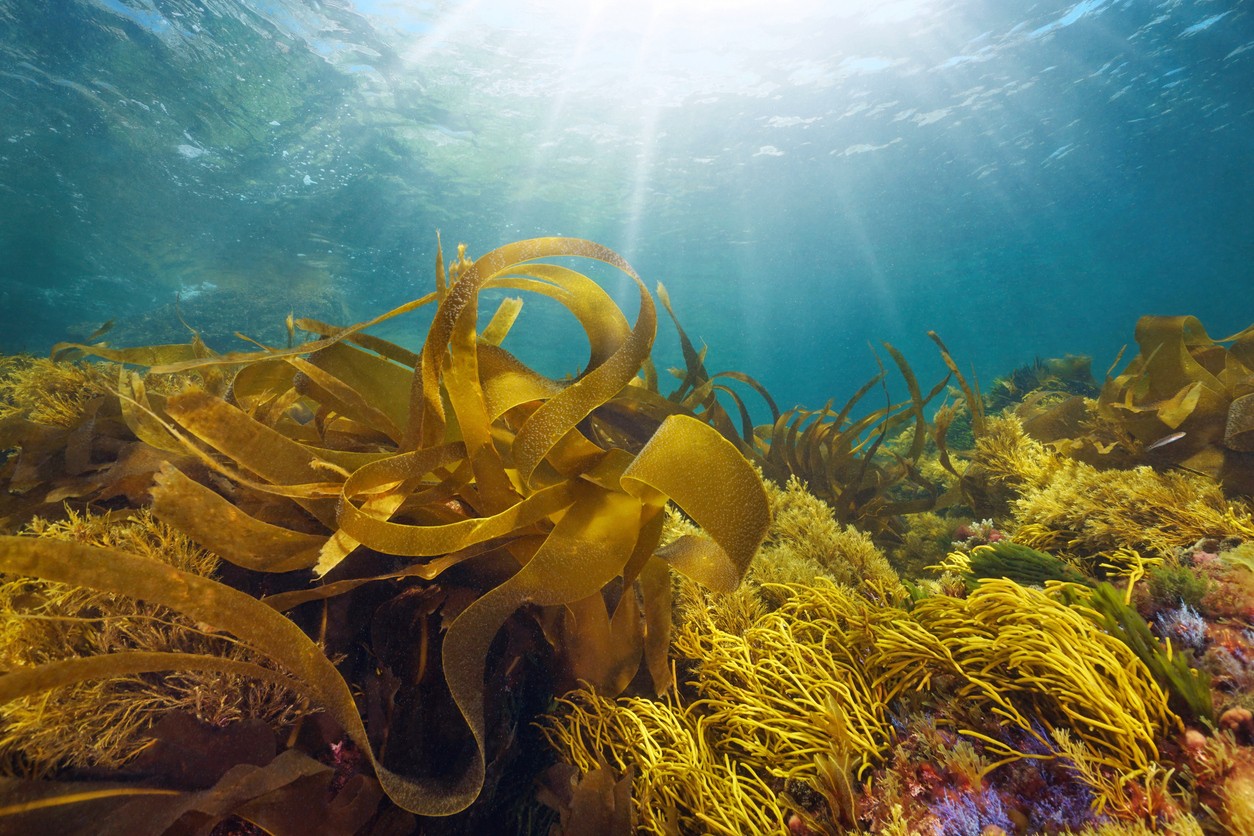
Today, algae are increasingly playing an important role in the development of modern wound treatment solutions due to their interesting biological properties. Rich in bioactive compounds, particularly natural polysaccharides, phenols, and fatty acids, algae have properties that promote tissue remodeling, reduce scarring, and accelerate wound healing.
In addition to their therapeutic benefits, algae represent a sustainable alternative to synthetic materials, aligning with an approach to biomedical innovation that is environmentally friendly. Their use thus illustrates the evolution of care toward technologies that combine clinical effectiveness, biocompatibility, and ecological responsibility.

Sources:
- Almadani YH, Vorstenbosch J, Davison PG, Murphy AM. Wound Healing: A Comprehensive Review. Semin Plast Surg. 2021 Aug;35(3):141-144. doi: 10.1055/s-0041-1731791. Epub 2021 Jul 15. PMID: 34526860; PMCID: PMC8432991.
- The 4 Stages of Wound Healing and Your Role in the Process, https://www.essentiahealth.org/about/essentia-health-newsroom/general-surgery-the-4-stages-of-wound-healing-and-your-role-in-the-process#:~:text=However%2C%20surgery%20is%20only%20one,inflammation%2C%20proliferation%2C%20and%20remodeling. consulté le 04/03/2026.
- 10 Tips for Wound Healing, https://reussistonifsi.fr/10-conseils-cicatrisation-plaies/, consulté le 04/03/2026.
- Vitamins and mineals, https://nutritionsource.hsph.harvard.edu/vitamins/, consulté le 04/03/2026.
- Wound healing and nutrition, https://www.hug.ch/dermatologie-venereologie/cicatrisation-alimentation#:~:text=Comme%20les%20glucides%2C%20ils%20sont,peau%20et%20am%C3%A9liorent%20sa%20qualit%C3%A9. Consulté le 04/03/2026.
- Wang X, Yu Z, Zhou S, Shen S, Chen W. The Effect of a Compound Protein on Wound Healing and Nutritional Status. Evid Based Complement Alternat Med. 2022 Mar 24;2022:4231516. doi: 10.1155/2022/4231516. PMID: 35368770; PMCID: PMC8970868.
- Bhattacharya S. Wound healing through the ages. Indian J Plast Surg. 2012 May;45(2):177-9. doi: 10.4103/0970-0358.101255. PMID: 23162212; PMCID: PMC3495363.
- WINTER GD. Formation of the scab and the rate of epithelization of superficial wounds in the skin of the young domestic pig. Nature. 1962 Jan 20;193:293-4. doi: 10.1038/193293a0. PMID: 14007593.
NET26SHE07A – March 2026